Category: App Development

You desire, and we deliver. Our app development service covers all kinds of app development react native, React, Flutter, iOS, Android and much more.

  • How To Excel Devlopment Of React Native?

    How To Excel Devlopment Of React Native?

    Key Takeaways

    • React Native offers a cost-effective solution for cross-platform mobile app development.
    • Rapid development and deployment are achieved through features like hot reload and reusable components.
    • A robust community and ecosystem support scalable and innovative app solutions.
    • Choosing the right development partner is crucial for aligning with your business goals.
    • Successful case studies from major organisations highlight React Native’s effectiveness in large-scale applications.

    Introduction: Why Choose React Native for Your Mobile App Development?

    In today’s digital landscape, app development with React Native is more than just a trend; it’s a strategic advantage for businesses aiming to broaden their market reach and boost customer engagement. According to WotDev, React Native stands out in 2025 for its ability to provide rapid, cost-effective, and scalable solutions in mobile app development. This post delves deep into the benefits of using React Native, offering detailed insights and actionable steps to create apps using React Native effectively, aligning with both commercial and transactional goals.

    What is React Native?

    React Native is an exceptional open-source framework initiated by Facebook. It enables developers to construct cross-platform mobile apps using JavaScript, which translates into native code, offering near-native performance. Here’s why it’s a top contender against other frameworks like Flutter and Xamarin:

    • JavaScript to Native Bridge: Uniquely designed to convert JavaScript components into native code, enhancing performance and integration with native device functionalities.
    • Cost and Efficiency: The ability to use a single codebase for both iOS and Android platforms significantly cuts down development time and costs.

    For an in-depth comparison and history of React Native’s evolution, check out Hicron Software and this comparison.

    Benefits of App Development with React Native

    React Native is not just popular; it’s highly effective due to its several advantages:

    • Cost-Effectiveness: Leveraging one codebase across multiple platforms reduces both development and maintenance expenses significantly. More details on these savings can be found at WotDev and TekRevol.
    • Cross-Platform Capabilities: Simultaneous development for both iOS and Android platforms shortens the development cycle and broadens market reach (Source: TekRevol).
    • Faster Development and Deployment: With features like hot reload and reusable components, developers can iterate rapidly, debug effectively, and market quicker (Further reading: TekRevol).
    • Robust Community and Ecosystem: A strong support community and a rich library of resources promote scalable development and innovation (WotDev).

    Learn more at Solution Squares and their custom software development services.

    How to Create Apps Using React Native

    Creating apps with React Native is streamlined into a few actionable steps, which we detail below:

    1. Setting Up the Development Environment: For a smooth start, install Node.js, React Native CLI, and the relevant SDKs. Detailed guide available at TekRevol and Solution Squares.
    2. Designing the User Interface: Utilize React Native’s UI components to ensure consistency and intuitive user interfaces across platforms. More on this at TekRevol.
    3. Implementing Functionality and Integrating APIs: JavaScript enables the integration of business logic and network interactions. Tools like Axios for API calls and Redux for state management are essential (TekRevol and SolutionSquares).
    4. Testing and Debugging: Tools like React Native Debugger and Flipper are invaluable for maintaining high-quality software (TekRevol).
    5. Deployment to App Stores: Guidelines for publishing your app on various stores can be streamlined using tools like Fastlane and Bitrise for CI/CD implementations.

    Case Studies: Mobile App Success Stories with React Native

    Major organizations such as Facebook, Instagram, and Walmart have successfully harnessed the power of React Native, witnessing enhanced performance and faster feature iterations (Brainhub and WotDev). These case studies highlight the practical applications and real-world effectiveness of React Native in large-scale scenarios.

    Choosing the Right Partner for Your React Native Mobile App Development

    When selecting a development partner, prioritize experience in React Native and a proven track record. It’s important to review portfolios and evaluate their technical skills, customer feedback, and support services for post-launch phases. For an in-depth guide on selecting the right partner, visit TekRevol and Solution Squares.

    Conclusion: Taking the First Step Towards React Native App Development

    Embracing React Native for your mobile app development is not just about following a trend—it’s about making a strategic decision that aligns with your business objectives to drive growth and customer engagement. Review the significant cost-benefits, robust community support, and cross-platform capabilities that React Native offers.
    Ready to start your mobile app project with React Native? Reach out today for a consultation and let us help you turn your vision into reality.
    Explore more about React Native and enhance your knowledge through the official documentation and getting started guides. Equip yourself with the right tools and insights to ensure your app’s success in the competitive market.

    Frequently Asked Questions

    1. How much does it typically cost to develop a mobile app?
    The cost can range from $5,000 for a simple app to over $300,000 for a highly complex app, depending on various factors like design complexity, features, and development platform.
    2. How long does it take to develop a mobile app?
    The development timeline can vary from a few months to over a year, depending on the app’s complexity and the development process.
    3. Should I choose native or hybrid app development?
    If performance and access to device-specific features are critical, native development is preferable. If budget and development speed are priorities, hybrid development may be suitable.
    4. What are some cost-saving strategies for app development?
    Prioritizing features for an MVP, utilizing cross-platform development, and outsourcing to cost-effective regions are effective strategies to manage costs.
    5. Why is ongoing maintenance important for my app?
    Regular maintenance ensures your app remains competitive, secure, and compatible with the latest devices and operating systems.
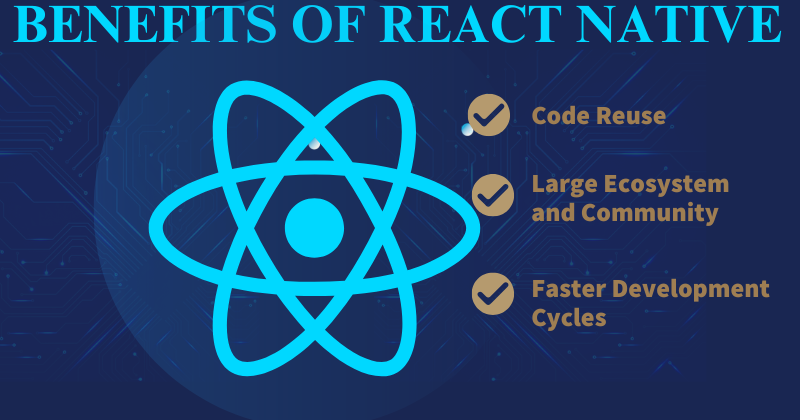
    Benefits React Native framwork

  • How to Run a React Native App in Android Studio?

    How to Run a React Native App in Android Studio?

    How to Run a React Native App in Android Studio

    Key Takeaways

    • React Native is a dynamic, open-source framework that allows developers to build high-performance, native mobile apps using JavaScript and React.
    • Android Studio serves as the recommended Integrated Development Environment (IDE) for Android app development, offering essential features for building, testing, and debugging.
    • Ensuring your system meets the prerequisites and installing necessary tools before running your React NAtive App in Android Studio, tools as Node.js, npm, and JDK, is crucial for a smooth development workflow.
    • Properly setting up and configuring the Android SDK and environment variables is vital for running React Native apps effectively in Android Studio.
    • Utilising the Android Emulator allows for efficient testing and debugging of your React Native applications without the need for physical devices.

    Introduction

    Overview of React Native

    React Native is a dynamic, open-source framework crafted to build high-performance, native mobile apps using JavaScript and React. It’s renowned for its ability to handle cross-platform app development with a single codebase, making it a popular choice among developers looking to streamline their development process across iOS and Android. Groove Technology

    Importance of Android Studio

    Android Studio is not just any Integrated Development Environment (IDE); it’s the recommended gear for Android app development, loaded with essential features to aid in building, testing, and debugging Android apps efficiently as part of the React Native development workflow. Groove Technology

    This guide explicates the process to run a React Native app in Android Studio, greatly enhancing your ability to develop and manage cross-platform applications. For a deeper understanding of the prerequisites needed before diving into React Native development, refer to Prerequisites for React Native Application Development: A Comprehensive Guide.

    Prerequisites

    Prerequisites are requirements before beginning a React Native App in Android Studio.

    System Requirements

    Before diving into the technicalities, ensure your system is primed with:

    Installation of Necessary Tools

    • React Native on Android Studio: Knowing how to integrate React Native with Android Studio is pivotal for seamless development.
    • Node.js and npm Installation: Begin by downloading Node.js from its official website, which automatically bundles npm needed for managing project dependencies.
    • Java Development Kit (JDK) Setup: Get JDK version 11 or later installed and configure the environment variables to get up and running. Dev. to

    Setting Up React Native in Android Studio

    Download and Install Android Studio

    Get started by downloading Android Studio from its official page. Follow step-by-step installation instructions pertinent to your operating system to ensure a correct setup. YouTube Tutorial

    Configure Android SDK and Environment Variables

    Next, configure the Android SDK:

    • Launch Android Studio and run the setup wizard.
    • Use the SDK Manager to check and install the necessary SDK platforms and tools.
    • Ensure the ANDROID_HOME environment variable is set to point to your SDK location. Dev. to

    Install Necessary Android SDK Packages

    Choose and install the required platform tools and build tools within Android Studio for a smooth operation. YouTube Tutorial

    Installing React Native on Android Studio

    Initialise a New React Native Project

    Open your terminal or command prompt and execute:

    npx react-native init MyReactNativeApp
    

    For detailed steps on building a React Native app, visit How to Build a React Native App: A Comprehensive Guide.

    Open Project in Android Studio

    Start Android Studio and select “Open an existing Android Studio project”, then proceed to the android directory within your new React Native project. This integrates your project with Android Studio.

    Install Project Dependencies

    In the project root directory, execute:

    npm install
    

    This will install all the necessary dependencies, ensuring your project is set up correctly. Ensure to build the project in Android Studio to verify that everything is configured properly. Alternatively, run:

    npx react-native run-android
    

    to see the app live on an emulator or connected device. Groove Technology, Dev. to

    Configuring the React Native Android Emulator

    Introduction to the Android Emulator

    An Android emulator plays a critical role in testing and debugging your React Native apps without the need for actual hardware.

    Set Up AVDs in Android Studio

    Navigate to the “Device Manager” or “AVD Manager” in Android Studio to create and configure your Android Virtual Device (AVD):

    Launch and Manage the Emulator

    Start your emulator using the green “play” button. Check for hardware acceleration features to ensure smooth emulation performance.

    Conclusion

    We’ve navigated through the crucial steps to run a React Native app in Android Studio, from setting up your development environment, configuring Android Studio and the emulator, to running your application. Harness the full potential of Android Studio to uplift your development skills and productivity. Groove Technology

    Additional Resources

    Keep exploring Android Studio’s features and stay updated with new releases and tools to continually refine your app development workflow.

    Frequently Asked Questions

    1.Do I need Android Studio to run a React Native app?

    Yes, Android Studio is required to set up the Android emulator and configure the Android SDK, which are necessary to run and test React Native apps on Android devices.

    2. Can I run a React Native app without Android Studio?

    Yes, you can run it on a physical Android device using USB debugging or use third-party emulators. However, Android Studio is the most reliable option for development and testing.

    3. How do I connect my physical Android device to run a React Native app?

    Enable USB Debugging from Developer Options on your device, connect it via USB, and then run npx react-native run-android. The app will install and launch on your device.

    4. What are the system requirements for running React Native in Android Studio? At minimum, you need:

    • Windows/macOS/Linux with at least 8GB RAM.
    • Node.js installed.
    • Java Development Kit (JDK).
    • Android Studio with SDK and emulator setup.

    5. Why does my React Native app run slowly on the Android emulator?

    This often happens due to low system resources or unoptimized emulator settings. Allocate more RAM/CPU to your emulator or test on a real device for better performance.

    6. How do I fix the error “SDK location not found” in Android Studio?

    Go to Android Studio > Preferences > Appearance & Behavior > System Settings > Android SDK and ensure the SDK path is correctly set. Then update your local.properties file with the correct path.

    7. Can I use VS Code instead of Android Studio for React Native development?

    Yes, you can use VS Code as your main editor, but you still need Android Studio installed for the Android SDK and emulator setup.

  • How to Integrate React Native Application with AI?

    How to Integrate React Native Application with AI?

    Leveraging React Native with AI: Integrating Machine Learning into Your Mobile Apps

    Key Takeaways

    • React Native and AI Synergy: Combining React Native with Artificial Intelligence (AI) enhances mobile app functionality and user experience.
    • AI-driven Features: Integration enables intelligent features such as image recognition, chatbots, and real-time predictions.
    • Integration Methods: Various methodologies like prebuilt AI APIs, on-device machine learning, and native modules facilitate AI integration with React Native.
    • Challenges: Integrating AI presents challenges, including performance issues and data privacy concerns.
    • Best Practices: Adhering to best practices like code modularity and staying updated with AI advancements ensures efficient AI-powered app development.

    Introduction: Embracing the Power of React Native with AI

    In the rapidly evolving world of mobile app development, the integration of React Native with AI is catapulting developers into a new era of innovation. The synergy between React Native and Artificial Intelligence (AI) empowers developers to create more intelligent, responsive, and user-centric mobile applications with unprecedented ease. Recent trends show a significant surge in machine learning in React Native apps, transforming conventional mobile apps into smart mobile solutions across platforms.

    Artificial Intelligence (AI) has moved from being a buzzword to becoming a core feature of modern mobile applications. From chatbots and voice assistants to predictive analytics and image recognition, AI is transforming the way businesses interact with their customers.

    For agencies building mobile apps with React Native, integrating AI can be the competitive advantage that sets your client’s product apart. In this article, we’ll explore why AI integration matters, how to implement it in React Native, and best practices agencies should follow.

    This blog aims to guide you through the nuances of integrating AI with React Native, enabling you to enhance your app’s functionality exponentially. As AI/ML features like image recognition, chatbots, and real-time predictions become commonplace, leveraging accessible AI APIs and SDKs is more feasible than ever, even for those without deep ML expertise.
    AI to react native project

    Understanding React Native

    React Native, a pinnacle of cross-platform mobile app development, enables developers to deploy iOS and Android apps with a single JavaScript/TypeScript codebase. This framework not only boosts efficiency but also reduces development costs and time. The integration of React Native with AI adds a layer of intelligence to these apps, making them more interactive and engaging. Benefits of React Native:
      • Code reusability and faster deployment reduce time-to-market.
      • Recent architectural upgrades, such as the Fabric and new layout engine, enhance performance and compatibility with native AI modules.
      • An ever-expanding ecosystem, facilitating robust AI/ML integrations.

    The Role of AI and Machine Learning in Mobile Apps

    AI and Machine Learning (ML) redefine mobile app capabilities, introducing features that adapt and respond to user behaviour:
    • Enhanced Functionalities:
      • Intelligent automation for routine tasks.
      • Context awareness for personalised user experiences.
      • Personalisation engines tailor content to user preferences, significantly boosting user engagement and app efficiency.

    Why Integrate AI with React Native?

    Leveraging AI with React Native elevates app functionality, enabling developers to craft exquisite, feature-rich applications across different platforms efficiently.
    • Advantages of AI Integration:
      • Streamlines development processes, allowing for the rapid creation of complex features.
      • Enhances user experience with features like real-time language translations, smart recommendations, and more efficient data handling, courtesy of localised AI computations, which diminish server dependencies.

    Why Agencies Should Care About AI Integration

    • Enhanced User Experience → Smarter recommendations and personalised interfaces.

    • Cost Savings → Automated customer support through AI-driven chatbots.

    • Competitive Edge → AI-powered features help your client’s app stand out in the crowded market.

    • Scalability → AI enables apps to handle complex operations, from voice processing to predictive decision-making.

     According to PwC research, AI could contribute $15.7 trillion to the global economy by 2030, with mobile apps playing a major role.

    Methods for Integrating AI with React Native

    Integrating AI into React Native apps can be accomplished through various methodologies tailored to specific needs and capabilities:
    • Using Prebuilt AI APIs and Services:
      • Utilise platforms like Google Cloud AI, AWS AI, or OpenAI for quick integration of advanced AI features without extensive ML infrastructure.
    • On-Device Machine Learning:
      • Tools such as TensorFlow.js or ML Kit allow AI models to run directly on devices, safeguarding user privacy and ensuring functionality without internet access.
    • Native Modules and Hybrid Approaches:
      • For performance-intensive tasks, native modules provide the necessary horsepower, ensuring that your apps remain swift and responsive.
    ways to integrate AI with react native

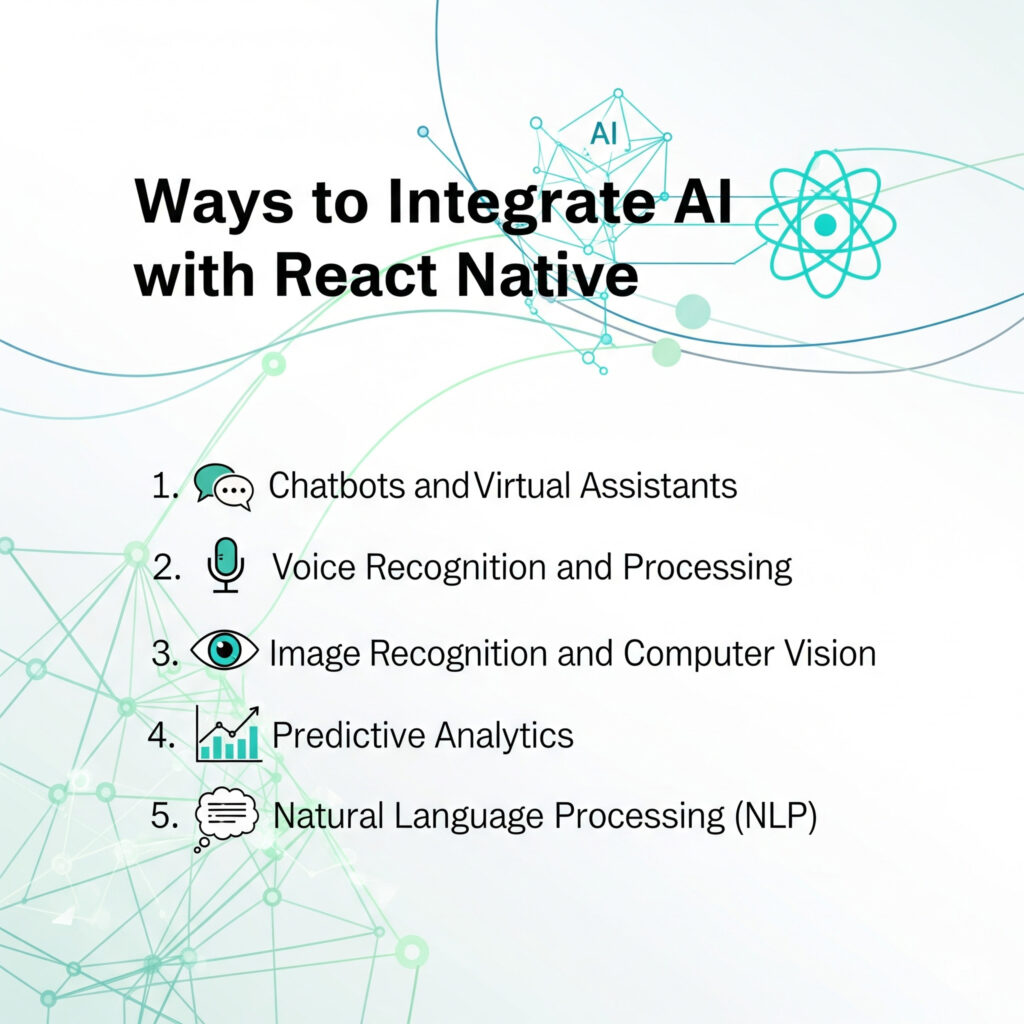
    Ways to Integrate AI with React Native

    1. Chatbots and Virtual Assistants

    • Integrate with Dialogflow, Rasa, or OpenAI APIs to enable conversational experiences.

    • Use React Native UI components for seamless in-app chat interfaces.

    2. Voice Recognition and Processing

    • Use Google Speech-to-Text API or Amazon Transcribe.

    • Build voice-enabled features like voice search or smart commands.

    3. Image Recognition and Computer Vision

    • Connect with Google Vision API, AWS Rekognition, or TensorFlow Lite.

    • Use cases: product scanning, face detection, AR experiences.

    4. Predictive Analytics

    • Integrate with Azure Cognitive Services or Amazon SageMaker.

    • Provide data-driven insights, customer behaviour predictions, or recommendation engines.

    5. Natural Language Processing (NLP)

    • Tools like spaCy, OpenAI GPT APIs, and Hugging Face Transformers help with sentiment analysis, text summarisation, and contextual search.

    Common Challenges Agencies Face

    • Data Privacy & Compliance → Ensure GDPR and HIPAA standards where needed.

    • Performance Issues → AI tasks can be resource-heavy; cloud-based APIs help.

    • Integration Complexity → Requires skilled expertise in both React Native and AI frameworks.

    Best Practices for Agencies

    • Use cloud-based AI APIs for faster development.
    • Ensure secure data handling with encryption.
    • Implement caching and offline fallback where possible.
    • Continuously monitor model performance and update as needed.

    Technical Steps for Agencies

    1. Select an AI Service Provider (Google, AWS, Azure, or custom-trained models).

    2. Create API Keys for authentication.

    3. Install Dependencies in React Native (axios, react-native-voice, or @tensorflow/tfjs).

    4. Build Middleware for secure communication with AI APIs.

    5. Optimise for Performance – Offload heavy processing to cloud services.

    6. Test Across Platforms – Ensure AI features run smoothly on both iOS and Android.

    Tools and Libraries for AI in React Native Apps

    Choosing the right tools is crucial for successfully implementing AI features in your React Native apps:
    • TensorFlow.js: Allows you to use pre-trained models or train new models directly in JavaScript.
    • ML Kit by Google: Offers ready-to-use APIs for text recognition, face detection, and more.
    • React-native-ai: (Vercel AI SDK, MLC) facilitates running large language models locally on mobile devices. Callstack.

    Step-by-Step Guide: Building a Machine Learning Feature in React Native

    Implementing a machine learning feature within a React Native app involves several key steps:
    1. Environment Setup:
      • Start by setting up your development environment, choosing between React Native CLI and Expo based on your project requirements.
    2. Model Integration:
      • Integrate ML models using JavaScript libraries or native modules, depending on the complexity and performance needs of your app.
    3. Optimisation and Testing:
      • Optimise the feature for both platforms (iOS and Android), focusing on UI responsiveness and minimising errors during execution.

    Challenges of Integrating AI with React Native

    Despite its advantages, integrating AI with React Native presents certain challenges:
    • Performance Issues:
      • Handling large models and ensuring swift inference times can be problematic on less capable devices.
    • Data Privacy:
      • Securing user data, especially when processing occurs on-device, is crucial for compliance with privacy laws.
    AI integration react native project

    Best Practices for Developing AI-Powered React Native Apps

    To maximise the efficiency and scalability of your AI-powered apps, adhere to these best practices:
    • Code Modularity:
      • Keep your AI features modular, separating them from the core application logic to simplify updates and maintenance.
    • Stay Informed:
      • Regularly update your knowledge base regarding new AI advancements and updates to existing libraries and frameworks.

    Conclusion: The Future of React Native and AI

    Integrating AI with React Native is not just a trend but a significant shift towards more dynamic and intelligent mobile applications. As this technology progresses, it will continue to open new avenues for developers, drastically altering the mobile app development landscape. Encourage yourself to dive into this innovative integration; with the right tools and strategies, your React Native apps will not only fulfil the current demands but also embrace the future of tech.

    Frequently Asked Questions

    1. How can React Native and AI work together to enhance mobile app development?

    The combination of React Native and AI allows developers to create intelligent apps that are both efficient and responsive. React Native provides a robust framework for building cross-platform apps, while AI introduces capabilities like machine learning, natural language processing, and predictive analytics, resulting in more personalised and adaptive user experiences.

    2. What are the best tools for integrating AI into React Native applications?

    Some of the top tools and libraries for integrating AI into React Native apps include TensorFlow.js for machine learning, ML Kit by Google for ready-to-use APIs, and React-native-ai (Vercel AI SDK, MLC) for running large language models locally on mobile devices.

    3. What challenges might developers face when integrating AI with React Native?

    Developers may encounter challenges such as performance issues when handling large AI models, ensuring swift inference times on less capable devices, and maintaining data privacy and security, especially when processing data on-device.

    4. How can data privacy be ensured when implementing AI features in mobile apps?

    Data privacy can be ensured by implementing on-device machine learning, which processes data locally without needing to send it to external servers. Additionally, developers should adhere to privacy laws and regulations, encrypt sensitive data, and use secure APIs to protect user information.

    5. What best practices should be followed for developing AI-powered React Native apps?

    Best practices include maintaining code modularity by separating AI features from core application logic, staying informed about the latest AI advancements and library updates, optimising performance for both iOS and Android platforms, and thoroughly testing AI functionalities to ensure reliability and efficiency.
  • Optimiz and Deploying Your React Native App: The Ultimate Guide to Successful App Deployment

    Optimiz and Deploying Your React Native App: The Ultimate Guide to Successful App Deployment

    Key Takeaways

    • Unified Codebase: React Native allows developers to build high-performance mobile apps for both iOS and Android using a single JavaScript codebase.
    • Optimised Performance: Proper code optimisation, including minification and obfuscation, significantly enhances app responsiveness and reduces size.
    • Up-to-Date Dependencies: Keeping all dependencies current ensures compatibility and smooth runtime performance.
    • Environment Configuration: Correctly setting environment variables is crucial for platform-specific configurations.
    • Robust Deployment Process: Following a structured deployment process, including thorough testing, ensures a successful app launch.
    • CI/CD Integration: Implementing Continuous Integration and Continuous Deployment pipelines automates and streamlines the development workflow.
    • Post-Deployment Monitoring: Continuous monitoring and analytics are essential for maintaining app performance and reliability.

    Overview of React Native

    React Native is an influential open-source framework used globally. It empowers developers to create high-performance mobile apps for both iOS and Android from a unified JavaScript codebase. This feature catapults React Native to the forefront for developers interested in crafting apps with consistent user experiences across multiple platforms while diminishing development times significantly.

    Why Optimisation Matters Before Deployment

    A poorly optimised app can lead to:

    • Slow load times → Resulting in higher uninstall rates.

    • Memory leaks & crashes → Damaging client reputation.

    • App store rejections → Delaying project timelines.

    According to a Statista report (2024), 70% of users abandon apps if they take more than 3 seconds to load. For agencies, this means optimisation is not optional—it’s essential.

    Key Steps for Optimising a React Native App

    1. Reduce Bundle Size

      • Use tools like the Hermes engine to improve startup performance.

      • Remove unused packages and images.

    2. Improve Performance

      • Leverage FlatList instead of ScrollView for large datasets.

      • Use memoisation (React.memo, useCallback) for rendering efficiency.

    3. Enhance Security

      • Use environment variables for API keys.

      • Enable SSL pinning for sensitive apps.

    4. Test Across Devices

      • Simulate iOS and Android environments.

      • Automate testing with tools like Detox and Jest.

    Deployment Checklist for Agencies

    • Prepare the App Store & Play Store Accounts – Ensure your client has active developer accounts.
    • Configure App Icons & Splash Screens – A consistent brand experience is crucial.
    • Generate Release Builds – Use gradlew assembleRelease for Android and Xcode archive for iOS.
    • Code Signing & Certificates – Secure deployment with correct provisioning profiles.
    • Continuous Integration (CI/CD) – Automate build pipelines using GitHub Actions or Bitrise.
    • Post-Deployment Monitoring – Use tools like Firebase Crashlytics for error tracking.

    Importance of Deploying a React Native App

    Deploying your React Native app is pivotal. It enables your application to reach a vast audience, delivering the intended functionality and seamless user experience on their devices. The success of its deployment is closely tied to these goals, ensuring the app performs optimally in live environments. 

    Deployment of a React Native App refers to the process of:

    • Building your app into a final, production-ready version (APK for Android or IPA for iOS).

    • Uploading it to app stores like the Google Play Store or Apple App Store.

    • Making sure it runs properly on real devices.

    • Optionally, hosting backend services or APIs that your app depends on.

    In simple terms, deploying is the final step that takes your app from your computer to your users’ devices

    Preparing Your React Native App for Deployment

    After building your React Native App, it’s time to deploy it. You have built your application, developed and tested all features. Now it’s time for the next big milestone, Deployment. A React native application is a widely used framework as it offers a single code for cross-platform, such as iOS and Android

    Developing a React native application is easy, but deployment is a bit complex step to perform. Deployment is not about building and publishing your application. Deployment involves navigating platform-specific requirements, using the appropriate deployment tools, following app store guidelines, and meeting industry standards to avoid rejections or delays.

    Optimising Your Code for Production

    To start, it’s crucial to optimise your React Native app’s code before launching. Streamline your app by eliminating unused components and implementing techniques like minification and obfuscation. These steps significantly reduce your app’s size, making it quicker and more responsive for users.

    Ensuring All Dependencies Are Up-to-Date

    Ensure that your app’s dependencies are current to avoid any compatibility issues during runtime. Use package managers like npm or yarn to check and update your project dependencies as necessary.

    Configuring Environment Variables for Different Platforms

    Environment variables play a crucial role in setting up platform-specific configurations, such as API endpoints or credentials. For Android developers, make sure to set ANDROID_HOME and append platform-tools to your system PATH. For iOS, the configuration can be managed directly through Xcode settings.

    How React Native App Deployment Works?

    After coding your mobile application, deployment is the next crucial step to perform. Deployment includes steps such as packing, distributing, and publishing your app to end users via a platform like the Google Play Store or Apple App Store.

    The beauty of React Native is that a single JavaScript or TypeScript codebase can be deployed to multiple platforms such as Android, iOS, Web, Windows, and macOS. To deploy your application, you must navigate specific configurations and toolchains.

     Strategies for Deploying React Native Applications

    Deployment of a React Native App gives you two different approaches:

    1. Managed Workflow
    2. Bare Workflow

    Usually, a managed workflow is used with Expo. This key feature of realising your app with Expo without diving into  Android Studio, Gradle, or native dependencies, Xcode. This approach will allow you to build your applications without worrying about the development and deployment complexities.

    The bare workflow provides you with full access and control of your project details, platform-specific behaviour, third-party SDK integrations, and build optimisations. In this approach where you manage the entire native project yourself, without relying on managed services.

    react native app perfomance increace
    react native app perfomance increace

    Creating a Release Build for React Native

    • Step-by-Step Guide to Generate a Release Build

    Here is a step-by-step guide to generate a release build for a react native application:

    • For Android:

    Generate a signed APK or Android App Bundle (AAB) using CLI or Expo EAS Build. These files are essential for the next steps in deploying your app to the Google Play Store (Bugsee Guide).

    • For iOS:

    Utilise Xcode or CLI to archive and prepare your iOS app for release. This process includes the setup of necessary signing certificates and provisioning profiles (Comprehensive Guide to Building a React Native App for iOS).

    Differences Between Debug and Release Builds

    Release builds are optimised for your end-users, stripping away development tools and enabling performance enhancements not present in debug builds. Debug builds include additional tools to aid developers in testing and debugging during development phases.

    Testing the Release Build Locally Before Deployment

    It’s critical to test the release build on local or test devices. This helps catch any potential issues that could adversely affect user experience post-deployment (Bugsee Guide, React Native Publishing).

    Deployment Steps for React Native Apps

    After coding, developing features, building an application, and testing features, it’s now time for deployment. 

    Detailed Outline of the Deployment Steps

    Deploying a React Native app involves several key stages that need careful attention to detail. First, configure your environment and credentials accurately for the intended platform. Following this, utilise platform-specific tools such as Android Studio or Xcode for building the app. Final steps involve signing the app and ensuring all configurations are verified to be correct across platforms (Bugsee Guide, 30 Days Coding).

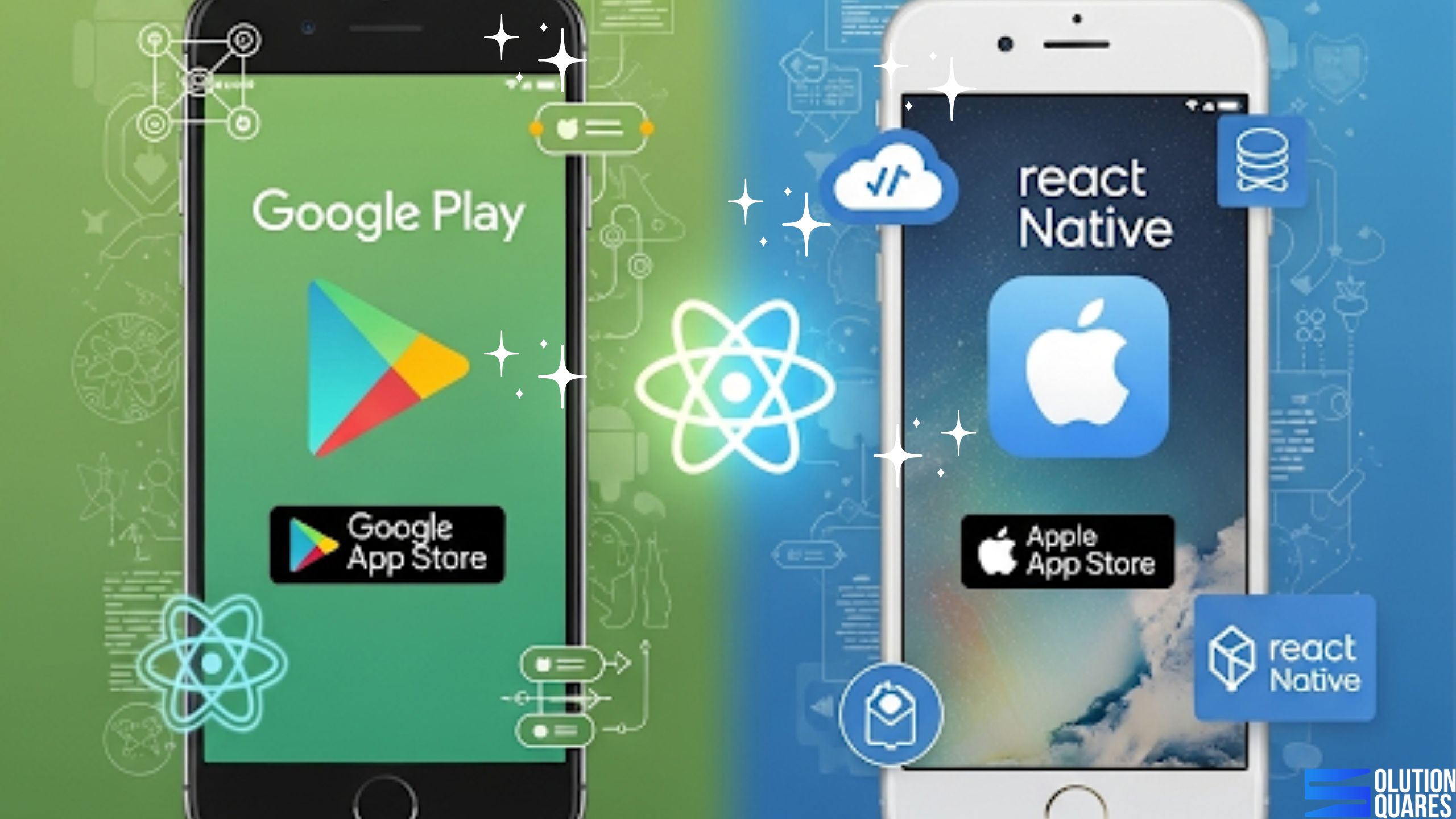
    Deploying a React Native App to the Google Play Store

    • Preparing Your App for the Play Store

    Prepare your app by generating a signed APK or AAB. Set up a developer account on Google Play and populate your app’s listing with all the necessary metadata, screenshots, and privacy policies (30 Days Coding).

    • Uploading the Release Build and Managing App Versions

    Upload your prepared release build via the Google Play Console. It’s vital to manage and adhere to your app versioning to avoid conflicts with future updates.

    • Reviewing and Publishing the App on the Play Store

    Once uploaded, your app will go through a review process. After approval, your app will be available to the public, marking the successful deployment of your React Native app to the Google Play Store.

    Implementing CI/CD for React Native

    • Importance of Continuous Integration and Continuous Deployment

    CI/CD introduces automation in building, testing, and deploying your app, which enhances both reliability and project velocity. Automating these steps reduces human error and streamlines the release process, making updates and maintenance more manageable and less risky.

    • Setting Up CI/CD Pipelines for Automated Building and Testing

    Tools like GitHub Actions, CircleCI, and Bitrise are great for setting up CI/CD pipelines. They handle automation for building, testing, and even deploying your app based on the latest codebase commits, providing a robust workflow that continuously checks integration and deployment stages for errors or conflicts. To leverage advanced integration techniques, explore Unleashing the Potential of React Native App GitHub Repositories for Developers.

    Best Practices for Deploying React Native Apps

    • Ensuring App Performance and Reliability Post-Deployment

    Monitor your app’s performance continually using tools like Sentry or Bugsee. These tools help in capturing real-time crash reports and performance bottlenecks, allowing you to respond swiftly to any issues that might impact user experiences (Bugsee Guide). For comprehensive security measures, refer to Mobile App Security Best Practices: Protecting User Data and Enhancing App Performance.

    • Monitoring and Analytics to Track App Usage and Issues

    Implementing analytical tools helps monitor user interactions and system performance, enabling proactive management of any identified issues. This approach helps in maintaining a smooth operational profile for your app post-launch.

    Common Challenges and Troubleshooting

    • Addressing Common Issues Faced During Deployment

    Common deployment issues can range from build failures to sign-in certificate problems. Thoroughly checking your app’s dependencies, environment setups, and testing outputs is essential for troubleshooting and clearing these hurdles effectively.

    • Tips for Debugging Deployment Problems

    Establish clear, concise, and documented guessing mechanisms. Use logging extensively to understand and pinpoint failures accurately. Community forums and official documentation are invaluable for finding solutions to tricky problems .

    react native expert advice
    react native expert advice

    Conclusion

    Deploying your React Native app successfully involves meticulous preparation, optimisation, and implementing a robust set of deployment strategies. It’s important to leverage CI/CD for maintaining ongoing quality, and post-deployment analytics will help in keeping your app relevant and functioning optimally. Following the guidelines and strategies mentioned here will aid in the smooth deployment of your React Native app, ensuring a wide reach and consistent user experiences across all platforms (Bugsee Guide, React Native Publishing, 30 Days Coding). Stay vigilant and proactive by integrating user feedback and updates to continuously improve and adapt your app to meet user needs.

    Frequently Asked Questions

    1. What are the main benefits of using React Native for mobile app development?

    React Native enables developers to build high-performance apps for both iOS and Android using a single codebase, reducing development time and ensuring a consistent user experience across platforms.

    2. How do I optimise my React Native app for better performance?

    Optimise your app by removing unused components, implementing code minification and obfuscation, and ensuring that all dependencies are up-to-date.

    3. What is the difference between a debug build and a release build in React Native?

    Release builds are optimised for end-users, removing development tools and enhancing performance, whereas debug builds include additional tools for testing and debugging during development.

    4. Why is Continuous Integration and Continuous Deployment important for React Native apps?

    CI/CD automates the building, testing, and deployment processes, increasing reliability, reducing human error, and speeding up the release cycle.

    5. How can I monitor my React Native app’s performance post-deployment?

    Use monitoring tools like Sentry or Bugsee to capture real-time crash reports and performance metrics, allowing you to address issues proactively.

  • How To Devlop and Setup A React Native App for Linux?

    How To Devlop and Setup A React Native App for Linux?

    Key Takeaways

    • Linux provides a stable and efficient environment for React Native development.
    • Setting up React Native on Linux requires essential tools like Node.js, npm, Java, and Android Studio.
    • React Native on Linux allows for streamlined development across iOS and Android platforms with a single codebase.
    • Leveraging Linux’s powerful tools enhances productivity and customisation in React Native development.
    • Troubleshooting common issues effectively ensures a smooth development workflow in React Native on Linux.

    Introduction to React Native on Linux

    React Native, a robust open-source framework, enables developers to build mobile applications using JavaScript and React. It uniquely allows a single codebase to target both iOS and Android platforms. This blog post delves into how you can develop and run a React Native app for Linux, leveraging the strengths of both React Native and the Linux environment.

    Why Choose React Native for Linux?

    Choosing Linux as the development environment for your React Native app brings several advantages:

    • Stability and Efficiency: Linux is renowned for its stability and efficiency, making it an excellent environment for software development.
    • Customisation and Flexibility: The customisation options available in Linux surpass those in other operating systems, which is crucial for tweaking the development environment to your needs.
    • Powerful Tools and Resources: Linux users benefit from access to powerful terminal-based tools and a vast array of open-source package management options.
    • Open-Source Ecosystem: Linux provides a robust open-source environment, aligning seamlessly with React Native’s open-source nature.
    • Resource EfficiencyLinux is known for its efficient resource management, ensuring smoother development processes.
    • Community SupportA vibrant community contributes to a wealth of resources and support for developers.
    • Expanded Reach: Tap into a significant user base that prefers or requires Linux-based solutions.
    • Unified Technology Stack: Leverage your existing React Native expertise to build desktop applications, reducing development costs and time.
    • Consistent User Experience: Maintain a consistent look and feel across mobile and desktop platforms, strengthening brand identity.
    • Catering to Specific Niches: Address the needs of organisations and users in sectors where Linux is the standard.

    Linux’s performance, when compared to macOS and Windows, stands out significantly, especially in terms of flexibility and resource management, which are critical in a development setting. Moreover, both Linux and React Native are open-source, fostering a vibrant community that collaborates and shares valuable troubleshooting resources freely.

    Linux = Developer’s Choice

    While direct market share data for desktop Linux application usage can be fragmented, studies consistently show a strong presence of Linux in developer communities and server infrastructure. For instance, the Stack Overflow Developer Survey 2023 highlights the significant percentage of developers using Linux as their primary operating system. This indicates a substantial potential user base for developer-focused or enterprise-grade Linux applications.


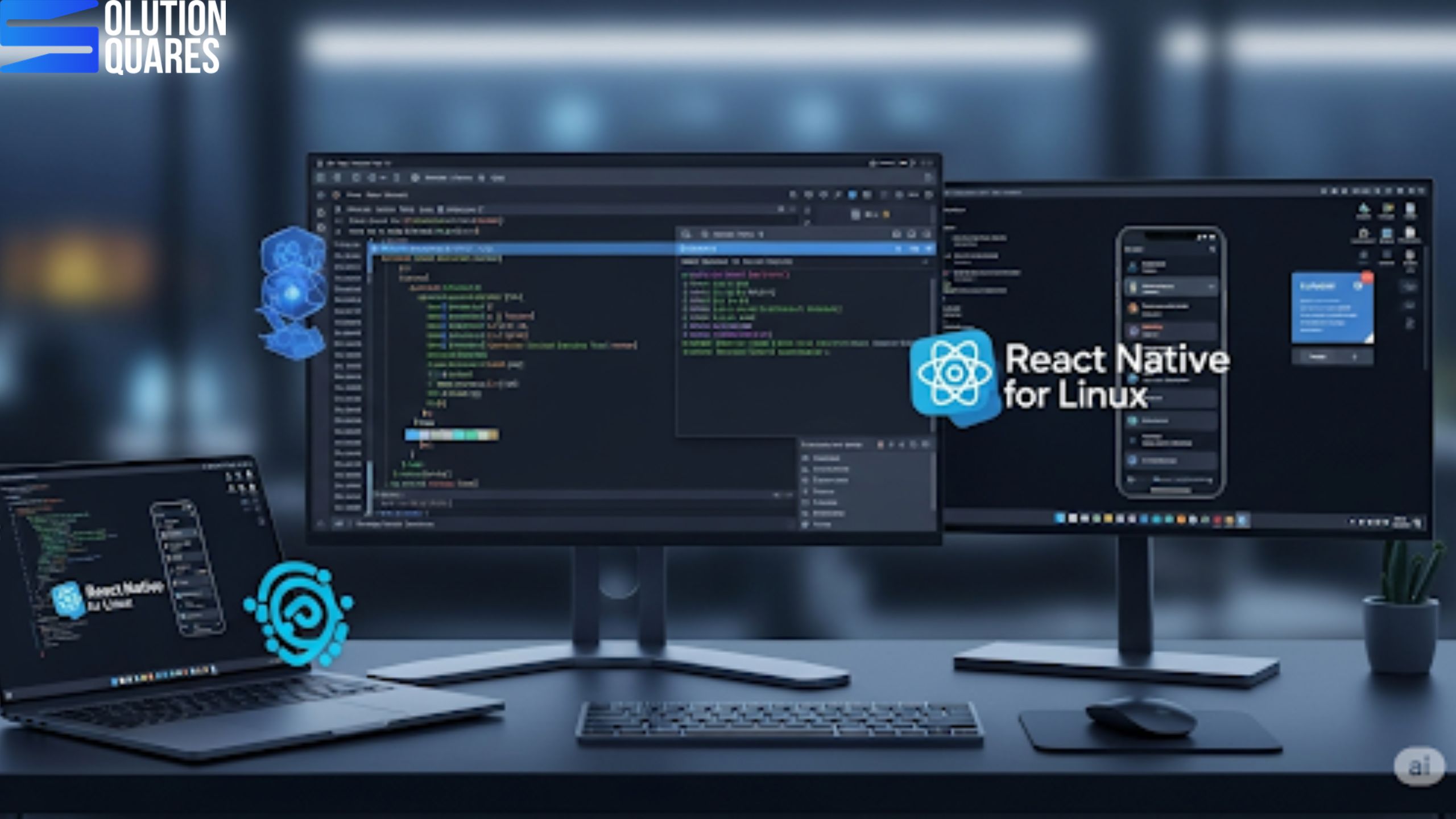
    react native for linux on android
    react native for linux on android app development

    System Requirements for React Native on Linux

    To set up your Linux system for React Native development, ensure you meet the following hardware and software prerequisites:

    • Hardware: A 64-bit distribution of Linux (Ubuntu LTS recommended), at least 8GB RAM, and a multi-core processor.
    • Software:
      • Node.js (LTS version)
      • npm or yarn
      • Git
      • JDK for Android builds
      • Android Studio for access to the Android SDK and emulator

    Consider using nvm to manage Node.js versions, and ensure all dependencies are fully updated before proceeding with installations

    Setting Up Your Development Environment for React Native Linux

    Developing for React Native Linux requires a few additional steps compared to mobile development. Here’s a breakdown of the setup process:

    1. Ensure Core React Native Setup is in Place: Begin with a properly configured React Native development environment for iOS and Android. This includes Node.js, npm or Yarn, and the React Native CLI. Refer to the official React Native documentation for detailed instructions based on your current operating system.

    2. Install Dependencies for Desktop Support: To enable Linux support, you’ll primarily rely on community-driven projects. One of the most prominent is react-native-windows, which, while named for Windows, provides the foundational architecture for desktop support that can be adapted for Linux.

      Install the necessary dependencies within your React Native project:

      npm install --save-dev react-native-windows or yarn add --dev react-native-windows

    3. Initialize Desktop Support: Link the native modules for desktop support:

      npx react-native-windows-init --platform linux

      This command sets up the necessary files and configurations within your project structure to target Linux.

    4. Install Linux-Specific Build Tools: Depending on your Linux distribution, you might need to install additional build tools. These typically include compilers (like GCC), build systems (like CMake), and other development libraries. Consult the documentation of react-native-windows for specific prerequisites for your Linux distribution.

      For Debian/Ubuntu-based systems, this might involve:

      sudo apt-get update sudo apt-get install -y build-essential cmake libgtk-3-dev libwebkit2gtk-4.0-dev

      For Fedora/CentOS/RHEL-based systems:

      sudo dnf install -y gcc-c++ cmake gtk3-devel webkit2gtk3-devel

    5. Configure Native Linux Modules (if needed): For more advanced functionalities or platform-specific features, you might need to interact with native Linux APIs. This will involve writing C++ code and bridging it with your React Native JavaScript code using the native modules system. This step requires a deep understanding of both React Native’s architecture and native Linux development.

    Developing Your React Native App for Linux

    The core development process for a React Native Linux app largely mirrors mobile development. You’ll be using JavaScript and the React Native component library to build your user interface and application logic. However, there are platform-specific considerations:

    • UI Adaptability: Ensure your UI components and layouts adapt well to the larger screen sizes and interaction paradigms of desktop environments. Consider using responsive design principles.

    • Input Methods: Handle mouse and keyboard input effectively, in addition to touch-based interactions.

    • Window Management: Implement features like resizing, maximising, and minimising windows, which are standard for desktop applications.

    • Platform-Specific APIs: If your application requires access to specific Linux functionalities (e.g., system notifications, file system integration beyond basic capabilities), you’ll need to create or utilise native modules that interact with these APIs.

    • Testing on Linux: Rigorous testing on various Linux distributions and desktop environments is crucial to ensure broad compatibility and a consistent user experience.

    Running Your React Native Linux App

    Once your application is developed, you can run it on your Linux machine using the following command:

    npx react-native run-windows --platform linux

    This command will build your Linux application and launch it in a dedicated window.

    Expertise and Proficiency for Agency Clients

    For agencies offering React Native Linux development services, it’s crucial to demonstrate expertise in the following areas:

    • Cross-Platform Development: A deep understanding of the principles and best practices for building applications that function seamlessly across different platforms.

    • React Native Ecosystem: Proficiency in using the core React Native framework, popular libraries, and community resources.

    • Native Development (C++): Expertise in writing and bridging native C++ modules for Linux to access platform-specific functionalities.

    • Linux Development Environment: Familiarity with various Linux distributions, build tools, and development workflows.

    • Desktop UI/UX Principles: Understanding the nuances of designing user interfaces and user experiences for desktop applications.

    • Testing and Quality Assurance: Implementing comprehensive testing strategies to ensure stability and performance on different Linux environments.


    react native for linux cross platform

    Drawbacks of Linux for React Native

    Linux development with React Native, while possible, has several drawbacks that make it a less-than-ideal choice for a production-focused workflow. The primary issues stem from a lack of official support and certain technical challenges inherent to the platform.

    Limited Official Support

    The React Native core team at Meta (formerly Facebook) primarily focuses on iOS and Android development, with a strong preference for macOS and Windows for the development environment. This results in the following:

    • Community-Driven Tools: Linux support for React Native is largely maintained by the community, not the core team. This can mean that documentation, troubleshooting, and bug fixes for Linux-specific issues may be less frequent or reliable compared to other operating systems.

    • iOS Development: The most significant drawback is the inability to build and test iOS apps on Linux. Apple’s strict ecosystem requires Xcode, which only runs on macOS. This means that to develop for iOS, developers on Linux must use workarounds like virtual machines or cloud-based build services, which can introduce performance issues and violate Apple’s licensing agreements.

    Technical & Performance Issues

    Even for Android development on Linux, there can be specific technical hurdles:

    • File Watching: Linux’s file system monitoring tool, inotify, has a default limit on the number of files it can watch. This can cause the React Native bundler to fail or perform poorly on large projects. A developer must manually increase this limit, which can be a point of friction during setup.

    • Debugging: While debugging is a challenge in any cross-platform framework, the combination of JavaScript and native code on an unofficial platform like Linux can make it more complex. It can be difficult to pinpoint whether a problem is within the JavaScript layer or a native Linux component.

    • Build Performance: Build times on Linux can sometimes be slower than on other platforms. This is often related to the specific tooling and configurations required to set up the Android development environment on Linux. Optimizing builds may require a deeper understanding of tools like Gradle.

    Ecosystem Fragmentation

    While many React Native libraries and components are cross-platform, some may have limited or no support for Linux. This can force a developer to either find an alternative library, create a custom native module, or fork and modify the existing library to add Linux support. This process requires a strong understanding of native Linux development and can increase technical debt.

    In summary, while React Native can be made to work on Linux, the process is far from seamless and is better suited for a developer who is already deeply familiar with the Linux ecosystem. For a business or agency, the lack of official support, iOS limitations, and potential for a more cumbersome development experience make it a significant drawback compared to the more mature macOS and Windows development environments.

    Troubleshooting Common Issues

    React Native development on Linux can sometimes run into common issues:

    • Emulator not starting: Check if KVM is enabled.
    • npm or node command not found: Ensure Node.js and npm directories are added to your PATH.
    • Permission issues on Ubuntu: Avoid sudo with npm installs. Configure for local user installs as shown earlier.
    • Slow build times: Allocate more RAM to your emulator or use a physical device for faster testing.

    For any uncommon problems, community forums, Stack Overflow, and the official React Native GitHub repository are excellent resources for finding solutions.

    Additional Resources

    To further assist with your React Native development on Linux, explore these resources:

    Conclusion

    Developing React Native applications for Linux presents a significant opportunity for agencies to leverage their existing expertise and cater to a broader audience. While the ecosystem is still evolving, the foundational tools and community support are growing rapidly. By mastering the setup process, understanding platform-specific development considerations, and showcasing your proficiency in both React Native and native Linux development, your agency can position itself as a leader in delivering cutting-edge cross-platform solutions.

    This guide has covered the key steps and resources for developing React Native apps on Linux, highlighting the platform’s stability, efficiency, and flexibility. With these step-by-step instructions and best practices, you are now well-prepared to start your React Native development journey on Linux. Take advantage of the robust Linux environment paired with the cross-platform power of React Native to maximise your productivity and reduce development friction.

    Begin your development adventure today, and remember to continuously engage with the community and additional resources to overcome any challenges and enhance your development skills in React Native on Linux.

    Frequently Asked Questions

    1. Can I run iOS builds on Linux with React Native?

    No, due to Apple’s licensing restrictions, running iOS builds on Linux is not supported.

    2. What are the essential tools required for React Native development on Linux?

    You need Node.js, npm or yarn, Git, JDK for Android builds, and Android Studio for the Android SDK and emulator.

    3. How can I manage different Node.js versions on my Linux machine?

    Using nvm (Node Version Manager) is recommended for managing multiple Node.js versions efficiently.

    4. What should I do if the Android emulator is not starting?

    Ensure that KVM is enabled on your system, as it is required for running Android emulators efficiently on Linux.

    5. How can I improve build times for my React Native app on Linux?

    Allocating more RAM to your emulator or using a physical device for testing can significantly speed up build times.

    6. Is Linux stable for React Native development?

    Yes, Linux provides a stable and resource-efficient environment for mobile app development.

    7. Can I use other code editors besides VS Code?

    Yes, editors like Sublime Text, Atom, or IntelliJ IDEA also work perfectly.

    react native for linux cross platform
    react native for linux cross platform app development
  • Building React Native Apps with GitHub

    Building React Native Apps with GitHub

    .Key Takeaways

    • Leveraging React Native app GitHub repositories accelerates mobile app development.
    • GitHub hosts a vast array of open-source React Native apps that provide robust components and best practices.
    • Contributing to GitHub projects enhances developer skills and community recognition.
    • Choosing the right GitHub project involves assessing maturity, community support, and licensing.
    • React Native UI component libraries like React Native Paper and NativeBase streamline UI development.

    Github advance functionality react native

    Unleashing the Potential of React Native App GitHub Repositories for Developers

    In today’s mobile app landscape, using React Native GitHub repositories is a true game-changer. For developers aiming for efficiency and advanced functionality, GitHub offers ready-to-use source code, templates, and real-world examples. Moreover, it speeds up prototyping, encourages best practices, and allows easy customisation. In this guide, we’ll quickly walk you through how to build a React Native app while exploring top GitHub projects, UI components, and practical tools every developer should know.

    Overview of React Native and GitHub

    React Native excels by allowing developers to create native mobile apps using only JavaScript and React, making it a giant in cross-platform mobile development. Its popularity is not unearned; a thriving community and continuous enhancement solidify its standing. On the other hand, GitHub houses an extensive array of open-source React Native apps. This enables unparalleled collaborative possibilities and a repository of readymade components and applications that accelerate development while aligning with community-endorsed standards. This domain of shared knowledge and resources dramatically enriches the developer experience and project outcomes. Prerequisite for React Native Application Development.

    Why React Naive Github?

    There are many advantages of using React Native with GitHub, particularly for agencies. Using GitHub with React Native is more than just version control; it’s a foundation for a professional, efficient, and collaborative development workflow.

    Advantages for Professional Agencies

    • Version Control and Collaboration: GitHub allows your team to manage and track every change made to the codebase. Multiple developers can work on the same project simultaneously without overwriting each other’s work. Features like branching, pull requests (PRs), and code reviews are crucial for maintaining code quality, ensuring bug fixes are thoroughly tested, and facilitating a smooth team workflow.

    • Continuous Integration and Deployment (CI/CD): GitHub Actions, the built-in CI/CD tool, automates your development pipeline. You can configure workflows to automatically run tests, check code quality with linters, and build your app every time a developer pushes code. This catches bugs early, saves a significant amount of manual time, and ensures a stable codebase.

    • Project and Task Management: GitHub provides built-in tools like Issues, Projects, and Milestones. These features allow you to track bugs, manage features, assign tasks to team members, and visualise your project’s progress in a centralised location.

    • Security: GitHub provides robust security features to protect your codebase and sensitive information. You can use GitHub Secrets to securely store API keys, private certificates, and other credentials, ensuring they are not exposed in your codebase.

    • Open-Source Contribution: The open-source nature of React Native means that many of its libraries and tools are hosted on GitHub.1 This allows your team to easily contribute to the community, stay updated on the latest changes, and leverage the vast ecosystem of pre-built components.

    For agencies, using GitHub with React Native is a strategic decision that drives efficiency, ensures professionalism, and guarantees the quality of the final product. It transforms a solo coding effort into a well-managed, collaborative, and automated process, delivering a better experience for both your team and your clients.


    Top React Native GitHub Projects

    Featured React Native App GitHub Repositories

    When scoping out leading repositories, a few stand out by offering extensive app codebases and examples that not only demonstrate robust architecture but also innovative features:

    1. React Native Elements – This repository provides a rich set of customizable components, excellently documented and regularly updated, making it ideal for robust application design.
    2. Expo – Known for enabling rapid development cycles and providing a plethora of APIs, this repository is perfect for developers aiming for high productivity without compromising quality.

    Each repository provides a unique advantage, whether for learning advanced features or for employing high-quality code structures, ensuring they cater to a wide spectrum of development needs. 

    Highlighting a selection of open-source React Native apps offers insights into various applications from productivity to entertainment:

    • Peel – Focusing on minimalist design, this productivity app utilises React Native to offer seamless cross-platform functionality. It serves as an excellent starting point for developers interested in building an intuitive UI/UX.
    • MoviesApp – An entertainment app that utilises a rich set of media content APIs and offers a robust example of handling streaming data and state management in React Native.

    Developers can explore these apps to understand the real-world application of React Native in different contexts and use cases, enhancing their capability to develop versatile and responsive applications.

    Github advance functionality react native expert

    GitHub React Native Examples

    For those sharpening their skills or entering the field, studying specific GitHub React Native examples that emphasise clean architecture and best practices is invaluable:

    • Navigator – This project showcases exemplary implementation of navigation and routing in React Native, a crucial aspect of any mobile app.
    • WeatherApp – Implements Redux for state management, effectively demonstrating a scalable app architecture suitable for larger applications or future growth.

    Each example provides a foundation in different aspects of app development, from modularisation to efficient state management. This is making these repositories not only templates but also significant learning tools.

    React Native UI Components on GitHub

    React Native UI GitHub Repositories

    The React Native Paper and NativeBase are two standout repositories that offer an extensive range of customizable UI components:

    • React Native Paper – Boasts a collection of material design components that are easy to implement and customise, suitable for projects aiming for modern aesthetics.
    • NativeBase – Provides a wide array of components that are easily adaptable to existing themes, ideal for projects requiring rapid UI development without starting from scratch.

    Developers aiming to enhance their app’s interface with high-quality, pre-designed elements will find immense value in these repositories.

    Utilising UI Templates in Your Projects

    Integrating these UI components involves specific steps such as installing dependencies through npm or yarn and importing statements in your project files. Here’s how you can customise these templates:

    • Adapt Styles: Ensure your UI components match your app’s theme, modifying or overriding styles as necessary.
    • Extend Functionality: Add custom components or tweak existing ones to meet your specific needs.

    This process not only streamlines UI development but also ensures a cohesive look and functionality across your application.

    How to Choose the Right React Native GitHub Project for Your Needs

    Choosing the right project involves assessing several factors:

    • Project Maturity and Maintenance: Opt for projects with a solid history of updates and active maintenance.
    • Community Support: A vibrant community, indicated by stars, forks, and active contributions, assures ongoing development and support.
    • License Type: Ensure the license aligns with your intended use, be it commercial or personal.

    Moreover, reviewing documentation quality, code readability, and structure is essential to ensure the project meets your developmental and learning needs.

    Contributing to React Native Open Source Projects on GitHub

    Contributing back to these projects not only enhances your skills but also helps you gain recognition within the developer community:

    • Fork and Clone: Start by forking a project and cloning it locally.
    • Understand and Follow Contribution Guidelines: Each project has its own set of rules; adhere to them to make meaningful contributions.
    • Submit Pull Requests: Engage with project maintainers through clear communication and well-documented pull requests.

    This active participation fosters learning and community building.

    Our team has extensive experience in setting up and managing professional React Native projects on GitHub. We handle the complexities of CI/CD pipelines, automated testing, and secure secret management, allowing your team to focus on what matters most: building incredible applications. Ready to professionalise your React Native development workflow? Contact us for a free consultation today!

    Conclusion

    Exploring and utilising React Native app GitHub repositories significantly boosts project outcomes, driving innovation and efficiency. As you embark on this journey, remember that each repository is not just a toolkit but a gateway to community collaboration and continuous learning. Dive into these resources, contribute actively, and leverage the collective wisdom of the React Native community to enhance your development projects. Through these endeavours, GitHub remains an invaluable resource, continuously fostering a vibrant ecosystem of shared knowledge and cutting-edge technology.

    Frequently Asked Questions

    1. Is GitHub required to build a React Native app?

    No, you can build a React Native app without using GitHub. However, a modern professional agency relies on a version control system like GitHub for collaboration, project management, and quality control. Without it, you’d have no way to track changes, review code, or automate builds.

    2. How does GitHub improve a project’s quality?


    GitHub improves quality by making the development process transparent and collaborative. Features like Pull Requests allow team members to review each other’s code for bugs and inconsistencies before it’s merged. Additionally, GitHub Actions can run automated tests to catch errors as soon as a change is pushed, preventing bugs from making it into the final product.

    3. Is our code safe and secure on GitHub?


    Yes. GitHub offers a range of security features. You can set up private repositories so only your team and clients can access the code. For sensitive information like API keys, GitHub Secrets provides a secure way to store them without exposing them in your codebase.

    4. How does GitHub help with project management?


    GitHub provides a suite of project management tools like Issues, Projects, and Milestones. Agencies can use these to track a project’s progress, assign tasks, report bugs, and keep a transparent history of decisions. This is invaluable for communicating with clients and managing a complex project

    5. How does this help with client communication?


    Using GitHub creates a single source of truth for the project. Clients can be added to the repository to see the project’s progress, read code review comments, and view bug reports in real-time. This level of transparency builds trust and keeps everyone on the same page.

    What are the benefits of using React Native for mobile app development?
    • React Native is a framework for building mobile apps using React.
    • It allows you to build native apps using React and JavaScript.
    • It is a popular choice for building mobile apps.
    • It is a mature framework with a large community.
    • It is a mature framework with a large community.
    How can GitHub repositories accelerate my React Native project?
    • GitHub repositories can accelerate your React Native project by providing a way to share your code with others.
    • It can also help you find and use existing code that others have written.
    •  It can also help you find and use existing code that others have written.
    What should I consider when contributing to an open-source React Native project? You should consider the license of the project.
  • Integrating Firebase with React Native: A Complete Guide

    Integrating Firebase with React Native: A Complete Guide

    Key Takeaways

    • React Native enables cross-platform mobile app development using JavaScript.
    • Firebase offers a robust backend with services like databases, authentication, and analytics.
    • Integrating Firebase with React Native streamlines development and enhances app functionality.
    • Incorporating AI can significantly improve user experience through features like image recognition.
    • Automation tools like CI/CD pipelines enhance the efficiency and reliability of app deployments.
    • Implementing live and OTA updates ensures apps remain up-to-date without lengthy approval processes.
    • Security best practices are crucial when handling user data and managing API keys.
    • Performance optimisation using Firebase Analytics and Performance Monitoring is essential for a smooth user experience.

    Enhancing Your Mobile Development: A Comprehensive Guide to React Native with Firebase

    React Native is a pioneering framework that allows developers to create cross-platform mobile applications using JavaScript. It pairs effortlessly with Firebase, a robust suite of cloud services including databases, authentication, and analytics, offering a powerful backend platform. The combination of React Native with Firebase empowers developers by streamlining the development process, speeding up the time-to-market, and providing extensive backend capabilities. This guide will walk through detailed steps to integrate Firebase with React Native, enhance app functionality with AI, optimise performance, and much more. For a deeper understanding of building React Native applications, refer to How to Build a React Native App: A Comprehensive Guide.

    Why Integrate Firebase with React Native?

    Firebase eliminates the need for complex backend setups by providing ready-to-use cloud services. It enables developers to focus more on building app features rather than managing infrastructure.

    Key benefits include:

    • Authentication – Secure sign-in with email, phone, Google, Facebook, and more.

    • Real-time Database & Firestore – Store and sync data in real time across devices.

    • Cloud Storage – Manage images, videos, and files seamlessly.

    • Push Notifications – Engage users with Firebase Cloud Messaging (FCM).

    • Crashlytics – Monitor app performance and fix issues quickly.

    • Analytics – Track user behaviour for better decision-making.

    react native firebase inteegration services

    Integrating Firebase with React Native

    To integrate Firebase with a new React Native project, follow this step-by-step guide:

    Step 1: Create a New React Native Project

    npx react-native init MyFirebaseApp

    Step 2: Install Firebase and Required Packages

    For Firebase SDK (compatible with React Native):

    npm install @react-native-firebase/app

    • Install additional Firebase modules based on your needs, e.g.:

    npm install @react-native-firebase/auth # for authentication
    npm install @react-native-firebase/firestore # for Firestore database

    Step 3: Set Up a Firebase Project in the Firebase Console

    1. Go to https://console.firebase.google.com

    2. Click Add project → Enter a project name → Continue

    3. Once created, click Add app → Choose Android or iOS

    4. Follow the instructions to register your app:

      • For Android: Provide android/app/package name

      • For iOS: Provide iOS bundle ID

    Step 4: Configure Android App

    1. Add google-services.json:

    • Download from the Firebase console → Place it inside android/app/

    2. Modify android/build.gradle:

    buildscript {
    dependencies {
    classpath ‘com.google.gms:google-services:4.3.15’
    }
    }

    3. Modify android/app/build.gradle:

    apply plugin: 'com.google.gms.google-services'

    Step 5: Configure iOS App (Optional)

    1. Add GoogleService-Info.plist:

    • Download from Firebase → Add to ios/ using Xcode

    2. Enable necessary capabilities in Xcode (e.g., Push Notifications, Background Modes)

    3. Install pods:

    cd ios
    pod install
    cd..

    Step 6: Use Firebase in Your Code

    Example: Sign in with Firebase Auth


    import auth from ‘@react-native-firebase/auth’;

    function signInUser(email, password) {
    auth()
    .signInWithEmailAndPassword(email, password)
    .then(() => {
    console.log(‘User signed in!’);
    })
    .catch(error => {
    console.error(‘Sign-in error:’, error);
    });
    }

    Setting Up Firebase in a React Native Project

    To kickstart the integration of Firebase with your React Native project, follow these detailed steps:

    • Core Installation: Start by adding the core Firebase module to your project using Yarn:

      yarn add @react-native-firebase/app

    • iOS Setup:
      • Generate and download GoogleService-Info.plist from the Firebase Console.
      • Add this file to your /ios project directory with Xcode.
      • Detailed guide: Jscrambler’s Integration Guide.
    • Android Setup:
    • Rebuild your app to apply these configurations. Note that React Native 0.60+ supports autolinking, minimising manual setup. More details can be found in the React Native Firebase Documentation.
    • Extend Functionality: Install additional Firebase services such as Authentication or Firestore as per your needs:

      yarn add @react-native-firebase/auth @react-native-firebase/firestore

    Key Firebase Services for React Native Apps

    Authentication

    Firebase supports various authentication methods, including email/password, OAuth providers, and phone authentication. For tutorials, check the YouTube Tutorial and the FreeCodeCamp Tutorial.

    Cloud Firestore

    Manage real-time data storage and synchronisation effectively using Cloud Firestore. Explore these features in detail in the YouTube Tutorial and FreeCodeCamp Tutorial.

    Other Services

    Firebase also provides Realtime Database, Cloud Messaging, and Analytics to enhance your app capabilities. Learn more at React Native Firebase Documentation.

    react native firebase boost app

    Use Cases of React Native + Firebase

    • E-commerce apps – Manage products, orders, payments, and user authentication.

    • Social media platforms – Enable real-time chat, image sharing, and notifications.

    • On-demand services – Track orders or rides with live updates.

    • Educational apps – Store progress, lessons, and analytics with ease.


    Cost Advantage

    According to industry reports, React Native development can reduce costs by up to 40% compared to native development. Integrating Firebase further minimises backend expenses since it eliminates the need for custom servers and database management.

    Best Practices for Seamless Integration

    • Adhere strictly to the official Firebase documentation for specific services.
    • Securely manage sensitive configurations using environment files (.env).
    • Keep your codebase organised and modular, facilitating easier maintenance and scaling.

    Coordinating with Firebase

    Firebase can be utilised to manage notifications for available updates, enhancing the efficiency of the update process.

    Security Considerations When Using Firebase with React Native

    Data and User Information Security

    Implement robust security rules in Firestore and Realtime Database to protect data access and manipulation. Detailed security guidelines can be found in the Firebase Security Rules Documentation. Additionally, explore Mobile App Security Best Practices: Protecting User Data and Enhancing App Performance for comprehensive strategies.

    Managing Authentication and API Keys

    Secure handling of API keys and authentication processes is crucial. Techniques include using environment variables for sensitive configurations and regularly updating and monitoring API key usage to prevent unauthorised access.

    Performance Optimisation for React Native Apps with Firebase

    Optimising app performance involves efficient data queries, caching strategies, and regular monitoring with tools like Firebase Analytics and Firebase Performance Monitoring. Profiling tools within React Native also play a crucial role in identifying and addressing performance bottlenecks. To ensure your app includes all essential features for success, refer to Essential Features of a Successful Mobile App: A Comprehensive Guide.

    Conclusion

    Throughout this comprehensive guide, we’ve covered the strategic integration of Firebase with React Native, introducing advanced functionalities such as AI, automation, live and OTA updates, significant security practices, and performance optimisations. By leveraging these techniques and tools, developers can build scalable, feature-rich mobile applications while streamlining development processes and enhancing user experience. Implement these strategies to elevate your React Native projects and stay ahead in the mobile development game.

    React Native combined with Firebase offers an excellent foundation for building powerful, cost-effective, and scalable mobile applications. Whether you are a startup seeking rapid product launch or an agency developing for enterprise clients, this duo provides the perfect blend of performance, security, and scalability.

    Additional Resources

    Frequently Asked Questions

    1. What are the benefits of using Firebase with React Native?

    Using Firebase with React Native provides a scalable backend infrastructure, real-time database capabilities, user authentication, cloud storage, and analytics, all of which streamline the development process and enhance app functionality.
    Using Firebase with React Native offers powerful benefits like real-time data sync, easy authentication, and cloud storage without managing a backend. It speeds up development, supports both Android and iOS, and includes features like push notifications, analytics, and serverless functions. It’s ideal for building fast, scalable, and cross-platform mobile apps.

    2. How can AI enhance a React Native app?

    AI can enhance a React Native app by enabling features such as image recognition, natural language processing, personalised recommendations, and smart search functionalities, thereby improving user engagement and overall experience.

    3. What are the best practices for securing Firebase in a React Native app?

    Best practices for securing Firebase in a React Native app include implementing strict Firebase security rules, using environment variables to manage API keys, regularly monitoring and updating authentication methods, and ensuring data validation both on the client and server sides.

    4. How do CI/CD pipelines benefit React Native development?

    CI/CD pipelines automate the build, testing, and deployment processes, reducing the potential for human error, speeding up the release cycles, and ensuring that the app remains stable and reliable throughout its development lifecycle.

    react native firebase inteegration services

  • How to Build a Quiz App Using React Native – Beginner’s Guide

    How to Build a Quiz App Using React Native – Beginner’s Guide

    Key Takeaways

    • React Native enables cross-platform mobile app development, reducing time and cost.
    • Setting up the development environment is crucial for leveraging a React Native app template.
    • Implementing features like authentication, state management, and navigation enhances app functionality.
    • Utilising GitHub fosters collaboration and efficient code management.
    • Advanced features and proper deployment strategies ensure a robust and user-friendly quiz app.

    Introduction: Dive into React Native Development

    The term react native app example conjures up ideas of innovation and simplicity in mobile app development. In this blog post, our focus is to inspire and educate you by walking through a feature-rich React Native app template for building a quiz application. This example serves as an excellent template for your own projects, leveraging the unique advantages of React Native.

    What is React Native? Unlocking Cross-Platform Development

    React Native is a powerful JavaScript framework used to develop mobile applications that render natively on both iOS and Android platforms from a single codebase. This approach offers significant benefits:

    • Code Reuse: Write once and deploy on multiple platforms, significantly cutting down development time.
    • Large Ecosystem and Community: Access to a wide range of libraries, tools, and support from a global community.
    • Faster Development Cycles: Immediate updates without app store approval and rich development tools enhance developer productivity.

    For a closer look at React Native’s capabilities, watch this detailed overview video.

    Setting Up Your Development Environment

    To kickstart your development with a React Native app template, beginning with the setup is essential, especially for novices. Here’s how to initiate:

    1. Install Node.js: A core platform needed for running the JavaScript codebase.
    2. Install Expo CLI: Expo simplifies the initial setup and provides useful tools for rapid app prototyping.
    3. Emulator/Simulator Setup: Depending on your target OS, set up an Android emulator or an iOS simulator. Xcode is required for iOS.

    You can then initialise your React Native project using the selected template. For detailed setup guidance, view this setup video or visit Prerequisite React Native Development.

    community support partner

    Exploring a React Native App Example: Quiz App

    Our React native quiz app illustrates practical application architecture and features:

    • Data-Driven Questions: Fetches multiple-choice questions from an external source.
    • Progress Tracking: Uses a visual progress bar to indicate user advancement.
    • Score Handling: Computes scores automatically and displays results at the end.
    • Navigation: Enables smooth transition between different quiz screens.

    Implementing Authentication in Your Quiz App

    User authentication is pivotal for a personalised app experience. Using React native app auth tools like Firebase Auth or Auth0 allows you to:

    • Secure user data.
    • Provide personalised features such as leaderboards.
    • Save and fetch user progress.

    For an in-depth authentication setup guide, check this tutorial or visit Mobile App Security Best Practices.

    Managing App State and Navigation

    Effective state management and seamless navigation are keys to a smooth user experience. For state management, you might choose between local state, Context API, Redux, or Zustand based on your app’s complexity. Navigation can be handled adeptly with React Navigation, enabling users to move between screens like Home, Quiz, and Results effortlessly.

    Discover more about efficient state management in this Video on State Management or visit React Native App Development Services.

    cross platform react native agency

    Leveraging GitHub for Collaboration

    Utilising React native app GitHub repositories can significantly enhance your development process. Here you can fork existing quiz app projects or contribute to community-driven projects. Always ensure to comply with licensing terms when using or sharing code. Learn more at React Native vs Flutter 2025.

    Customizing and Personalizing Your Quiz App

    Enhance your app’s appeal by tweaking its aesthetics and functionality:

    • App Naming: Modify app.json or utilise React Native tools to rename your app.
    • Icon Customisation: Employ a React native app icon generator for unique and recognisable app icons.

    Guidelines for customising your app’s features are detailed in this App Customisation Guide.

    Advanced Features and Deployment

    To keep your users engaged, consider incorporating advanced features like push notifications and analytics. Tools like Expo Push Notifications or Firebase Cloud Messaging work well for these purposes.

    Ready to deploy? Ensure you optimise assets, configure production settings, and build standalone binaries for iOS and Android. Follow best practices for app store submissions to enhance your app’s acceptance chances.

    For deployment insights, watch this deployment tutorial.


    Conclusion: Utilising This React Native App Example

    By now, you should be equipped with the know-how to build and customise your own React Native quiz app by leveraging the materials and guidance provided. We encourage you to experiment, refine, and innovate based on the example and templates shared.

    For complete access to the source code and additional learning resources, visit our React native app GitHub repository and start transforming your app ideas into reality. Dive deep, create, and share your innovations!

    Frequently Asked Questions

    Q1: Do I need prior experience with React Native to build this app?

    Not necessarily. Basic knowledge of JavaScript and React is enough to get started.

    Q2: Can I connect my quiz app to an online database?

    Yes. You can integrate APIs or use Firebase/Firestore to fetch and store quiz data.

    Q3: Will my quiz app work on both Android and iOS?

    Yes. React Native allows you to build cross-platform apps with a single codebase.

    Q4: Can I monetise my quiz app?

    Absolutely. You can add ads, in-app purchases, or premium quiz packs.

    Q5: How long does it take to build a simple quiz app?

    A basic version can be built in a few days, while a feature-rich quiz app may take several weeks.

  • How to Build a React Native App: A Detailed Guide

    How to Build a React Native App: A Detailed Guide

    Key Takeaways

    • React Native enables the development of native mobile apps using JavaScript and React.
    • It offers a single codebase for both iOS and Android platforms, reducing development time.
    • Access to native components ensures high performance and a polished user experience.
    • Tools like React Native CLI and Expo cater to different development needs.
    • Effective debugging and CI/CD practices are essential for robust app development and deployment.

    How to Build a React Native App: A Comprehensive Guide

    Introduction

    React Native, developed by Facebook, is an innovative and widely embraced open-source framework for building native-style mobile applications on both iOS and Android. It leverages JavaScript and React, bringing rich mobile UI development capabilities to web developers using a familiar syntax. How to build a React Native app involves understanding this powerful framework, and this guide aims to equip you with the knowledge to do just that. For a deeper understanding of the fundamentals, refer to our What is Mobile App Development? An Introduction guide.

    Benefits of React Native

    benefits of react native mobile app development

    • Single Codebase: Deploy applications on both Android and iOS from a single codebase, reducing development time significantly.
    • Access to Native Components: Ensures your application has the high performance and polished look and feel of a native app.
    • Community and Ecosystem: With strong community support, developers have access to numerous libraries and tools that accentuate the development process.

    This guide is tailored for technical users who wish to build, run, debug, host, and deploy React Native applications, laying down a comprehensive step-by-step process to achieve the same.

    Setting Up Your Development Environment

    Install Node.js and npm

    Before diving into React Native, it’s essential to set up your environment, starting with Node.js and npm. Node.js is a runtime required to use React Native’s Command Line Interface (CLI) tools and npm for package management. Download and install them from the official Node.js website to ensure you are using the latest stable versions.

    Choose Your Toolchain: React Native CLI vs. Expo

    With Node.js and npm installed, the next step is selecting your toolchain.

    React Native CLI

    React Native CLI is suited for developers looking for flexibility and the ability to include native modules. It requires setting up dependencies for Android and iOS, making the initial configuration slightly complex but highly customizable. A typical React Native CLI project contains /android, /ios, and /src folders for Android, iOS, and your source files, respectively. To understand the prerequisites for using React Native CLI, check out our Prerequisites for React Native Application Development: A Comprehensive Guide.

    Expo

    Expo provides a simpler managed workflow with a set of tools and services designed for React applications. It’s an excellent choice for beginners or projects that do not require custom native modules, streamlining the development process significantly. Learn more about choosing the right toolchain in our Prerequisite for React Native Application Development: A Comprehensive Guide.

    Install Necessary Development Tools

    To effectively develop your application, certain tools are recommended:

    VS Code

    Visual Studio Code (VS Code) is a lightweight but powerful source code editor with built-in support for JavaScript, TypeScript, and Node.js. It’s enriched with features through extensions like React Native Tools, enhancing productivity in React Native development.

    Android Studio

    Android Studio provides the necessary build tools for Android development. It is indispensable for Android emulator setups and real-device deployments.

    Xcode (Optional for iOS Development)

    For iOS development, Xcode is the go-to solution, though it’s only available on macOS. While we won’t cover detailed steps here, it’s essential for compiling and deploying iOS apps.

    Building the React Native App

    Initialise a New Project

    Getting your application started is straightforward. Use the commands below based on the chosen toolchain:

    • React Native CLI: npx react-native init AppName
    • Expo: npx create-expo-app AppName

    For more insights on setting up your project, refer to our Harnessing React Native App Development Services for Seamless Multi-Platform Mobile Apps.

    Project Structure Overview

    React Native organises its projects into specific structures:

    • React Native CLI Projects: Contain /android, /ios, and /src folders. Each serves distinct roles in accommodating platform-specific code and JavaScript.
    • Expo Projects: Focuses more on JavaScript-only components, making it significantly easier for new developers to navigate.

    **Examples for Project Structures**

        /android - Native Android-specific code
        /ios - Native iOS-specific code
        /src - JavaScript source files
        

    react native expert for effective solution

    Configure Essential Settings and Dependencies

    Several packages will be essential throughout your development:

    • React Navigation: for navigation in apps.
    • Redux or Context API: for state management.
    • Axios or Fetch: for API calls.

    Install these by running npm install @react-navigation/native redux axios in your project directory.

    Running the React Native App

    How to Run a React Native App in VS Code

    For a smooth development experience in VS Code, follow these steps:

    • Install the React Native Tools extension.
    • Configure the VS Code terminal or use the integrated debug function to run commands like npx react-native run-android or npx expo start. This allows the app to launch in debug mode, setting you up for real-time debugging.

    How to Run on Android Devices

    To run apps directly on Android hardware:

    • Enable Developer Options and USB Debugging on your Android device.
    • Connect the device via USB and verify connections with adb devices.
    • Deploy directly using npx react-native run-android and ensure your device is recognised, troubleshooting as needed.

    How to Run an App in Android Studio

    Within Android Studio:

    • Open the /android folder of your project to set up the environment.
    • Create and configure an Android Virtual Device (AVD) and run the app using the emulator for testing.

    Debugging the React Native App

    Effective debugging is crucial in software development. React Native offers several tools to help locate and fix issues promptly.

    Common Debugging Techniques

    Understanding syntax errors, runtime errors, or logical errors is fundamental. Utilise commenting and clean, well-documented code to minimise these errors.

    Using VS Code’s Built-in Debugger

    Set breakpoints and inspect variables or the call stack in VS Code to understand flow and state across your application.

    Leveraging React Native Debugging Tools

    React Native’s integration with Chrome DevTools permits JavaScript code inspection and real-time debugging, simplifying the process considerably.

    Hosting the React Native App

    Backend/API Hosting Options

    Several backends can support your React Native app:

    • AWS Lambda: for serverless functions.
    • Firebase: for real-time databases and user authentication.

    Static Asset Management

    Utilise AWS S3, Firebase Storage, or other CDN services to manage and efficiently deliver assets like images and videos to your app.

    Integrating with Expo and React Native

    Both Expo and React Native can integrate seamlessly with these services, ensuring your backend and front-end are well-connected.

    Deploying the React Native App

    Preparing the App for Production Deployment

    Ensure your app is ready for deployment:

    • Optimise your assets: Minimise JavaScript, optimise images, and more.
    • Configuring Environment Variables: Manage API keys and sensitive data effectively.
    • Setting Up Signing Keys: Required for distributing your app through app stores.

    Steps to Deploy the App to Stores

    For production, you need to prepare your app for the respective app stores:

    • Google Play Store: Generate a signed APK or AAB file, create a developer account, and upload your app.
    • Apple App Store: Use Xcode to build your app, ensuring it meets Apple’s guidelines, and submit it through the Apple Developer account.

    Sources: GeeksforGeeks

    Implementing CI/CD Best Practices

    Adopt CI/CD for automating deployments using tools like GitHub Actions or CircleCI, enabling efficient, error-free production updates.

    Final Tip: Once your environment is ready, maintain a clean setup by avoiding unnecessary global packages and keeping your SDKs up to date.React Native application Agency 

    Conclusion

    This guide has offered a step-by-step walkthrough of how to build a React Native app, from setting up your development environment to deploying your app to production. React Native’s ability to leverage a single codebase for multiple platforms makes it an outstanding choice for developers looking to streamline their workflow and still produce high-quality native apps. Additionally, understanding the importance of mobile app development can further motivate and guide your development process.

    Move Forward with Confidence

    Implement what you’ve learned here to create robust, high-performing mobile applications. Explore further with detailed React Native Documentation and continue learning through community-driven tutorials and resources.

    Additional sources: YouTube Tutorial, GeeksforGeeks

    Your journey into React Native development starts now. Follow this guide, engage with the community, and start building something great!

    Frequently Asked Questions

    1. How much does it typically cost to develop a mobile app?

    The cost can range from $5,000 for a simple app to over $300,000 for a highly complex app, depending on various factors like design complexity, features, and development platform.

    2. How long does it take to develop a mobile app?

    The development timeline can vary from a few months to over a year, depending on the app’s complexity and the development process.

    3. Should I choose native or hybrid app development?

    If performance and access to device-specific features are critical, native development is preferable. If budget and development speed are priorities, hybrid development may be suitable.

    4. What are some cost-saving strategies for app development?

    Prioritising features for an MVP, utilising cross-platform development, and outsourcing to cost-effective regions are effective strategies to manage costs.

    5. Why is ongoing maintenance important for my app?

    Regular maintenance ensures your app remains competitive, secure, and compatible with the latest devices and operating systems.

  • Building High-Performance iOS Apps with React Native: A Complete Guide

    Building High-Performance iOS Apps with React Native: A Complete Guide

    Comprehensive Guide to Building a React Native App for iOS and Beyond

    Key Takeaways

    • React Native enables the development of cross-platform mobile applications using a single codebase.
    • Building a React Native app for iOS offers superior performance and access to native iOS features.
    • React Native’s cross-platform capabilities reduce development time and costs.
    • Optimising for specific platforms, such as iOS, Android, and iPad, ensures a tailored user experience.
    • Adhering to best practices and leveraging community support are crucial for successful app development.

    Introduction

    React Native, a robust open-source framework, allows developers to create cross-platform mobile applications using JavaScript and React. This guide focuses on developing a React Native app for iOS, an increasingly popular choice among businesses aiming to straddle multiple platforms with a single codebase. Choosing the right device platform is crucial, aligning with user demographics and strategic market goals. We’ll explore how React Native facilitates development across iOS, desktop environments, and even extends to wearable devices like the Apple Watch.

    History and Development

    React Native was launched by Facebook in 2015, revolutionising native mobile development with React’s declarative UI framework. Originally designed for iOS, it quickly extended its support to encompass Android and other platforms.

    Core Features and Benefits

    • Code reusability between iOS and Android speeds development, fostering ease and efficiency. Learn more
    • High-performance applications thanks to native components that ensure a seamless user experience. Discover how
    • Community support within a vast ecosystem offers an array of libraries and resources that facilitate development.

    Cross-Platform Capabilities

    A major strength of React Native lies in its cross-platform capabilities, where much of the application logic and UI layers are shareable between iOS and Android, streamlining development processes and reducing costs. Read more

    React Native for iOS

    Setup Requirements

    To kickstart a React Native project for iOS, developers need macOS with tools like Xcode, Watchman, and CocoaPods in place. Check prerequisites

    Building Process

    Leverage the React Native CLI or solutions like Expo to initiate development, using Xcode’s simulator for testing or deploying directly to a physical device.

    iOS-Specific APIs

    Augment your app with iOS-specific APIs such as ActionSheetIOS, DynamicColorIOS, and Settings to maintain consistency with iOS functionalities.

    Advantages

    React Native on iOS allows businesses to target a lucrative user base, with advantages like superior performance and iterative capabilities through live/hot reloading. Discover advantages

    Best Practices

    Optimise your application to adhere to iOS-specific guidelines, leveraging native navigation and UI elements and testing across various device sizes.

    React Native for Android

    Overview

    While sharing a codebase with iOS, Android development includes platform-specific variations, particularly around navigation and styling. Learn more

    Building Process

    Utilise tools such as Android Studio and React Native CLI, adjusting to hardware and OS requirements that differ from iOS. Get started

    Key Differences and Optimisation

    Android presents unique challenges, such as diverse hardware specifications and OS versions. Tailoring performance and employing profiling tools are essential for optimal functionality.

    React Native for iPad

    Importance

    iPads offer a larger display and capabilities such as multitasking, demanding specific design considerations for an optimal user experience.

    UI/UX Considerations

    Design must accommodate responsive layouts and optimised touch interactions, prioritising user engagement and functionality on larger screens.

    Enhancements and Features

    Utilise iPad-specific features like Apple Pencil and keyboard shortcuts to enhance the application’s interactivity and productivity.

    React Native for TV

    Platforms

    Development for TVs must consider platforms like Apple TV (tvOS) and Android TV, each with its own set of user interaction principles, such as D-pad navigation and focus-based UI.

    Unique Challenges and Design Considerations

    Creating apps for TV involves designing for larger displays and simpler navigation schemes, focusing on media playback and minimal user inputs.

    Choosing the Right Platforms for Your Business

    Key Considerations

    Selecting the right platforms involves understanding the target audience, balancing the budget against the projected timeline, and accounting for performance needs across device ecosystems.

    Benefits of Using React Native for Multiple Platforms

    With React Native, code can be reused across iOS, Android, and other platforms, simplifying updates and maintenance while ensuring a consistent user experience. This approach not only saves time but also reduces development costs. Read more

    Conclusion

    React Native empowers businesses to build fast, cost-efficient, and scalable iOS apps without compromising performance. With the right optimizations, your React Native iOS app can deliver a native-like experience that meets Apple’s high standards and delights users.

    FAQs About iOS Apps with React Native

    Q1: Is React Native as good as Swift for iOS apps?
    React Native offers near-native performance. For apps requiring heavy graphics (e.g., 3D gaming), Swift may be better, but for most business apps, React Native works perfectly.

    Q2: Can React Native apps get published on the Apple App Store?
    Yes. Many popular iOS apps like Instagram and Bloomberg are built with React Native.

    Q3: How do you ensure smooth animations in React Native iOS apps?
    Using Reanimated 2, Gesture Handler, and offloading animations to the native thread ensures buttery-smooth performance.

    Q4: Will my app be secure with React Native?
    Yes, if you follow best practices like using Keychain, SSL pinning, and secure storage. Firebase or AWS integrations also add secure authentication.

    Q5: Does React Native support iOS-specific features?
    Yes. React Native can access iOS-specific APIs through native modules, allowing integration with features like Face ID, Siri, and ARKit.

    React Native is an invaluable framework for developing high-quality mobile apps across various platforms, with particular benefits for iOS-focused businesses. By leveraging this versatile tool, companies can ensure a consistent and efficient development process, adapting easily to new device categories. Learn more

    React Native enables companies to stay agile and responsive in the fast-evolving tech landscape, ensuring their applications meet user expectations across multiple platforms. Whether targeting iOS, Android, desktop, or even TV and wearables, React Native offers a robust solution for modern app development needs.

    Frequently Asked Questions

    Q1: Is React Native as good as Swift for iOS apps?


    React Native offers near-native performance. For apps requiring heavy graphics (e.g., 3D gaming), Swift may be better, but for most business apps, React Native works perfectly.

    Q2: Can React Native apps get published on the Apple App Store?


    Yes. Many popular iOS apps like Instagram and Bloomberg are built with React Native.

    Q3: How do you ensure smooth animations in React Native iOS apps?


    Using Reanimated 2, Gesture Handler, and offloading animations to the native thread ensures buttery-smooth performance.

    Q4: Will my app be secure with React Native?

    Yes, if you follow best practices like using Keychain, SSL pinning, and secure storage. Firebase or AWS integrations also add secure authentication.

    Q5: Does React Native support iOS-specific features?


    Yes. React Native can access iOS-specific APIs through native modules, allowing integration with features like Face ID, Siri, and ARKit.